

Choosing a foundation for a small structure is rarely a matter of habit alone. Decks, garden buildings, terraces, light extensions and utility structures can often be supported by more than one foundation system, and each option changes how the project is organized. Concrete footings remain familiar and widely used, while ground screws provide a different installation process based on steel elements driven directly into the soil. The better choice depends on structural requirements, ground conditions, access and the total amount of work needed before the structure can be assembled.
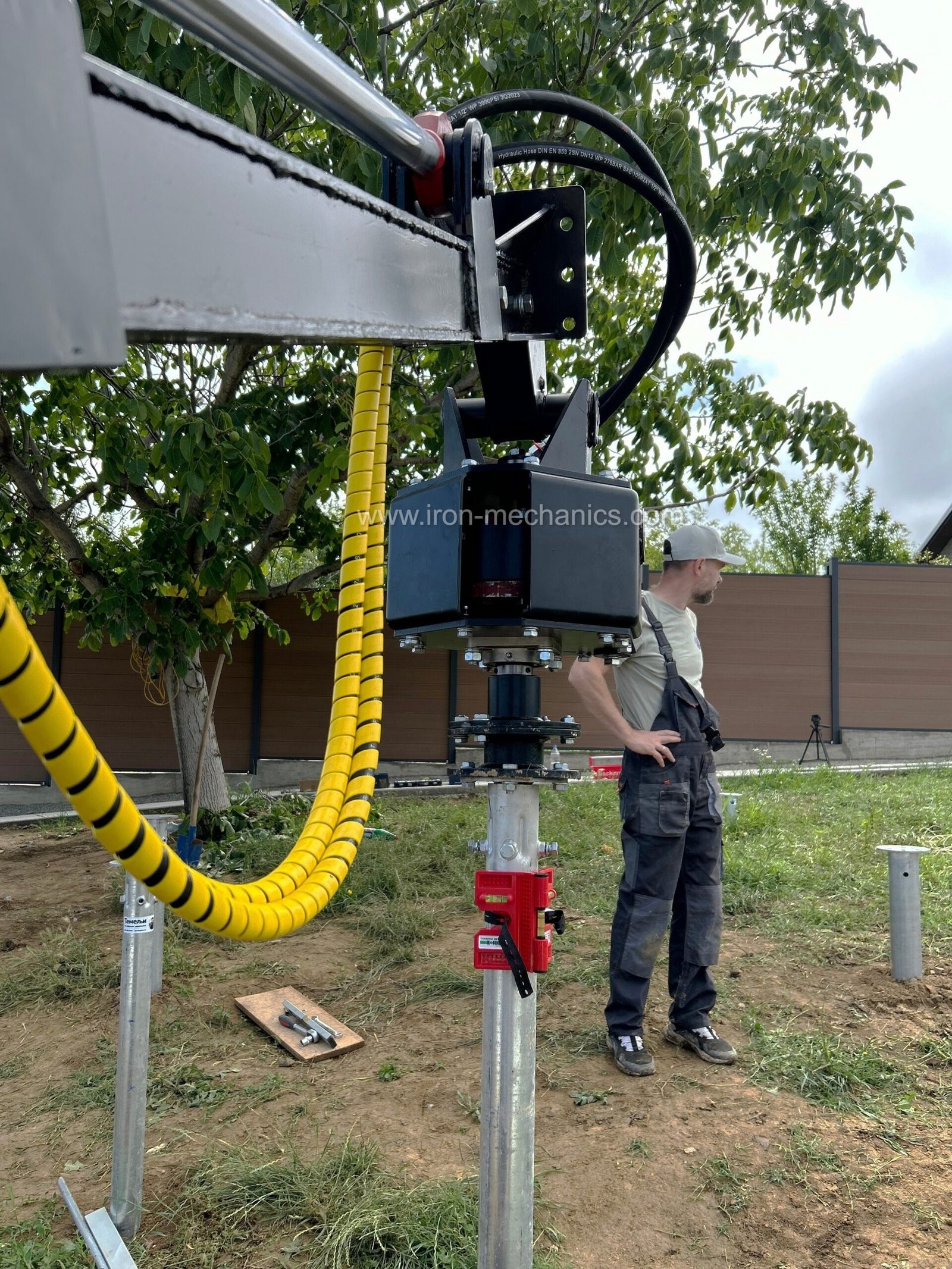
Concrete usually requires excavation before the foundation itself can be formed. Holes or trenches need to be prepared, reinforcement may be required, and concrete must then be delivered or mixed on site. Ground screws reduce this sequence because installation equipment rotates the foundation element into position without removing large quantities of soil. Contractors considering mechanized installation can review equipment intended for this work at https://iron-mechanics.com/product-category/ground-screw-drivers/. The difference in installation method can have a significant effect on labor, site cleanliness and project scheduling.
Installation Time and Project Sequence
One of the clearest differences between the two systems is what happens after the foundation is installed. Concrete needs time to cure before it can safely carry the intended load. The exact period depends on the mix, weather conditions and engineering requirements, but the project cannot always proceed immediately. This can create a natural pause between foundation work and structural assembly.
Ground screws do not rely on a curing process. Once they have been installed correctly and the required depth and resistance have been achieved, the next stage of construction can often begin without the same waiting period. This is useful on projects where the contractor wants to complete foundation and framing work during one coordinated visit. It can also reduce the number of times a crew needs to return to a small site.
The speed advantage should not be exaggerated. Ground screws still require proper setting out, alignment and verification. Difficult soil can slow installation, and unexpected obstructions may require changes to the foundation layout or pile specification. The benefit lies in shortening the construction sequence rather than eliminating the need for careful work.
Concrete may be equally efficient when the site is already prepared for excavation and several other concrete elements are being poured at the same time. In that situation, the foundation work can be incorporated into a larger construction process. Ground screws tend to show their strongest practical advantages on smaller projects where a separate excavation and concrete operation would otherwise be required.
Excavation and Site Disturbance
Concrete foundations create excavated material that has to be managed. Some soil can be reused, but excess material often needs temporary storage or removal. On a small residential property, finding space for spoil can be difficult. The contractor may also need to protect driveways, lawns or planted areas while machinery moves between the access point and the foundation area.
Ground screw installation normally produces much less excavated material because the steel element displaces the soil as it enters the ground. This can keep the work area cleaner and reduce the number of vehicle movements associated with removing spoil. The difference is particularly noticeable where the structure is being added to an already finished property.
Site restoration can also affect the final cost. Heavy excavation equipment may leave ruts or compacted areas, especially in wet conditions. Paving may need to be protected, removed or repaired. Compact screw-driving equipment can reduce some of these problems because the installation footprint is smaller, although machine weight and soil conditions still need to be considered.
Concrete has an advantage where excavation is already necessary for other reasons. If the project includes drainage work, retaining walls or significant ground preparation, adding concrete footings may not create much additional disruption. Foundation choice therefore needs to consider the whole site operation rather than one isolated task.
How the Two Methods Compare
For small structures, contractors can compare the systems across several practical criteria rather than focusing only on material price.
- Site preparation. Concrete usually requires more excavation and preparation, while ground screws can often be installed with limited disturbance.
- Installation speed. Ground screws can shorten the foundation stage because no curing period is required.
- Access. Compact pile-driving equipment may work in spaces where larger excavation machinery is difficult to maneuver.
- Ground conditions. Both systems depend on suitable soil, but they respond differently to weak layers, obstructions and variable resistance.
- Structural capacity. The required loads determine whether a particular screw, pile or concrete footing is appropriate.
- Weather sensitivity. Concrete placement can be more affected by low temperatures and heavy rain, while screw installation has a different set of operational limits.
- Restoration work. Reduced excavation can lower the amount of landscaping or surface repair needed after installation.
None of these points gives an automatic answer. A ground screw system that performs well on one property may be unsuitable on another because of soil or structural demands. Concrete can be slower to install but may offer the most straightforward engineering solution for a particular project.
Access Often Decides the Issue
Small construction projects frequently take place in locations where equipment access is limited. A garden room may be planned behind an existing house, or a deck may sit next to fences and mature landscaping. The foundation area itself can be open while the route leading to it is narrow.
Concrete work still needs a way to move excavation equipment, materials and fresh concrete to the installation points. In some cases, this can be done with small machinery and manual handling, but labor increases as access becomes more difficult. Ground screw systems can be attractive because compact tracked machines and portable drivers may reach areas that would be awkward for larger equipment.
The machine must still have enough space to position the screw correctly. Boom movement, machine width and working radius all matter. Contractors should assess the route from the unloading point to the final foundation location rather than simply measuring the open area around the structure.
Access can also influence the economics of the job. If additional labor is needed to move concrete by hand over a long distance, a method that looked cheaper on material cost may become more expensive overall. A similar problem can occur with ground screws if the required machine cannot physically reach the site. Practical access should therefore be checked before detailed pricing begins.
Soil Conditions Matter for Both Systems
Neither concrete nor ground screws can compensate for inadequate understanding of the soil. Foundations transfer loads into the ground, so the behavior of the supporting layers remains important regardless of the material used. Loose fill, soft organic soil, dense clay and gravel all create different challenges.
Concrete footings generally rely on suitable bearing conditions at the base of the excavation. If weak material is encountered, the footing may need to be deeper or wider, or the unsuitable soil may need to be replaced. This increases excavation volume and material use.
Ground screws respond differently because they can extend through weaker upper layers to reach denser soil below. Their performance depends on geometry, installation depth and the resistance encountered during installation. In difficult conditions, longer or larger elements may be needed. Obstructions such as large stones can also prevent the screw from following the intended path.
Site investigation remains important even for relatively small structures. Assuming that every residential plot behaves the same can lead to unnecessary redesign during installation. A foundation method becomes more predictable when the contractor understands the likely ground conditions before equipment arrives.
Weather and Seasonal Work
Concrete work can become more complicated in cold or wet weather. Low temperatures affect curing, while heavy rain can fill excavations and damage prepared surfaces. Contractors can compensate with additives, protection and heating, but these measures increase cost and organization.
Ground screw installation avoids curing, which can be useful when the construction schedule extends into colder periods. This does not mean installation is unaffected by weather. Frozen ground, saturated soil and extreme temperatures can still influence machine performance and the behavior of the site. Equipment also has specified operating limits that should be respected.
Seasonal flexibility can matter to contractors who want to maintain a steady workflow throughout the year. If ground conditions permit, screw foundations can allow certain small projects to proceed during periods when concrete work would require more preparation. This can be commercially useful, especially for companies specializing in modular structures, decks or garden buildings.
Weather should therefore be treated as part of the project plan rather than a secondary concern. The foundation system that performs reliably under the expected conditions can reduce delays and unexpected site costs.
Cost Is More Than the Foundation Material
Concrete is often perceived as the cheaper option because cement, aggregate and reinforcement are familiar materials. Ground screws can appear more expensive when the steel elements and installation machinery are considered separately. This comparison can be misleading if it excludes labor, excavation, transport and restoration.
A complete cost calculation should include site preparation, equipment delivery, spoil removal, installation time and any waiting period before construction can continue. On some projects, concrete will still be the lower-cost solution. On others, the reduction in labor and site disruption can offset the higher price of screw foundation components.
Project scale also changes the result. A contractor already operating excavation machinery may be able to install concrete footings very efficiently. A company specializing in screw foundations may achieve lower costs because its equipment and crew are already organized around that method.
Ground screws and concrete footings are therefore best compared as complete construction processes. Concrete offers a proven and flexible foundation method, while ground screws can reduce excavation and shorten installation on suitable sites. The correct choice depends on engineering, access, soil and project logistics rather than on a universal preference for one material or system.