
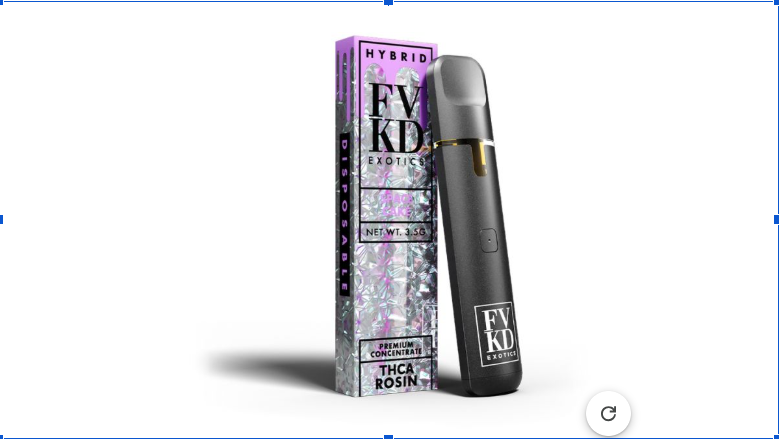

Product names can influence how people first perceive a cannabis product, particularly when a name suggests a memorable flavour, theme, or sensory direction. However, a name is only one part of understanding the product itself. Extract type, cannabinoid composition, terpene profile, format, and product specifications provide additional context that can make comparisons more useful. For adults reviewing products with distinctive names, separating branding from measurable characteristics is a practical approach. It allows the product’s actual specifications to remain the focus while still considering the sensory associations created by its name.
Why Product Names Matter
A product name can create an immediate impression and may refer to a strain, flavour, lineage, appearance, or creative concept. However, a name does not provide complete information about cannabinoid concentration, extraction method, terpene composition, quantity, or format. These details should come from the product specifications. Two products may have similar names but different extracts, formats, or flavour profiles. Therefore, the name is a useful starting point, while the specifications provide the fuller picture.
Understanding the Space Cake Association
The name FVKD space cake creates a dessert-inspired association, with “cake” potentially suggesting sweet, creamy, bakery-style, or rich characteristics. However, the actual sensory profile should be assessed through the product description, terpene information, and extract details. Dessert-inspired profiles can vary, and individual perception may differ. A product described as sweet or creamy may be experienced differently by different adults.
Looking at the Product Format
Format is an important part of product identification. Products may be available as flower, concentrate, disposable, or other forms, each with different physical characteristics. The FVKD Space Cake listing identifies a live rosin product, providing additional context beyond its name. Live rosin is associated with solventless extraction, which can influence texture, aroma, and cannabinoid and terpene composition. Storage can also affect an extract over time. Understanding the format helps provide a clearer picture of what a product contains and how it is presented.
The Role of Terpenes
Terpenes contribute to cannabis aroma and can influence flavour perception. Different combinations may create sweet, earthy, citrus, herbal, floral, or fruity characteristics. Available terpene information can help explain a product’s flavour profile and provide another point of comparison. However, terpenes should not replace cannabinoid information. Aroma and flavour are separate from stated cannabinoid concentrations, so both should be considered when assessing a product.
What Makes the Profile Distinctive?
The identity of a cannabis product can be understood through several connected characteristics:
- Name: Provides the product’s identifying label and sensory associations.
- Genetics: Can influence the underlying characteristics of the cannabis material, including profiles associated with the jet fuel gelato strain.
- Extract: Determines the type of material used in the finished product.
- Terpenes: Contribute to aroma and flavour.
- Cannabinoids: Provide information about the product’s cannabinoid composition.
- Format: Describes how the product is presented and handled.
- Storage: Can affect the condition of the finished product.
Looking at these factors together gives a more accurate picture than focusing on branding alone. For example, the name may suggest a dessert profile, while the actual product description may identify additional flavour notes. Similarly, an extract may have a specific texture and aromatic character that cannot be inferred from the name.
Reading Product Information Carefully
Product descriptions can contain several pieces of information that deserve attention before purchase. Rather than focusing on a single marketing phrase, adults can review the entire listing and identify the objective details.
Important information can include:
- Product quantity
- Extract or product type
- Listed cannabinoids
- Flavour and aroma descriptions
- Terpene information
- Laboratory testing information
- Recommended storage conditions
- Applicable age and legal requirements
This approach is especially useful for products with imaginative names because it separates the creative identity of the product from its actual specifications. It also makes it easier to compare products within the same collection. If two options have different names but similar extract types, for instance, their cannabinoid and terpene information may provide more useful comparison points than the names themselves.
Flavour Expectations and Individual Preference
Flavour is subjective. Product descriptions indicate the intended sensory direction but cannot guarantee how every adult will perceive it. Temperature, storage, individual sensitivity, and personal preferences can all influence perception. The practical approach is to use flavour descriptions as guidance while reviewing the other product specifications separately.
Why the Extract Type Matters
Live rosin is produced through a solventless process and can influence the final product’s texture, aroma, and flavour. Understanding the extract type alongside the product name provides useful context about how the product is made and its sensory characteristics.
Comparing the Name With the Actual Product
A distinctive name can be useful for recognition, but the product description should remain the primary source for understanding what is being offered. The name may suggest a flavour direction, while the specifications clarify the actual product. A product associated with the jet fuel gelato strain may have a distinctive name, but the product description and specifications should still be reviewed to understand its actual extract, flavour, cannabinoid content, and format.
When comparing options, adults can ask whether the listed extract, cannabinoid content, flavour profile, quantity, and format match their preferences. This creates a more structured purchasing process. It also reduces the likelihood of making assumptions based on branding alone. A creative name can communicate personality, but measurable specifications provide the information needed to make meaningful comparisons.
A Balanced Way to Evaluate Distinctive Products
A well-rounded evaluation combines subjective and objective information. Flavour descriptions help communicate sensory characteristics, while cannabinoid percentages, product quantity, extract type, and testing information provide more concrete details. Storage and handling instructions are also relevant. Cannabis products should be stored according to manufacturer recommendations and kept away from children and pets. Adults should also confirm that the product is legal to purchase and possess in their jurisdiction and comply with applicable age requirements.
Conclusion
A memorable cannabis product name can create a strong first impression, but its meaning becomes clearer when considered alongside the actual product specifications. FVKD Exotics provides detailed product categories and listings that allow adults to examine characteristics such as extract type, flavour, format, and cannabinoid information. Looking beyond the name and reviewing these details can provide a more complete understanding of what makes a particular product distinctive while keeping the comparison grounded in information rather than assumptions.