
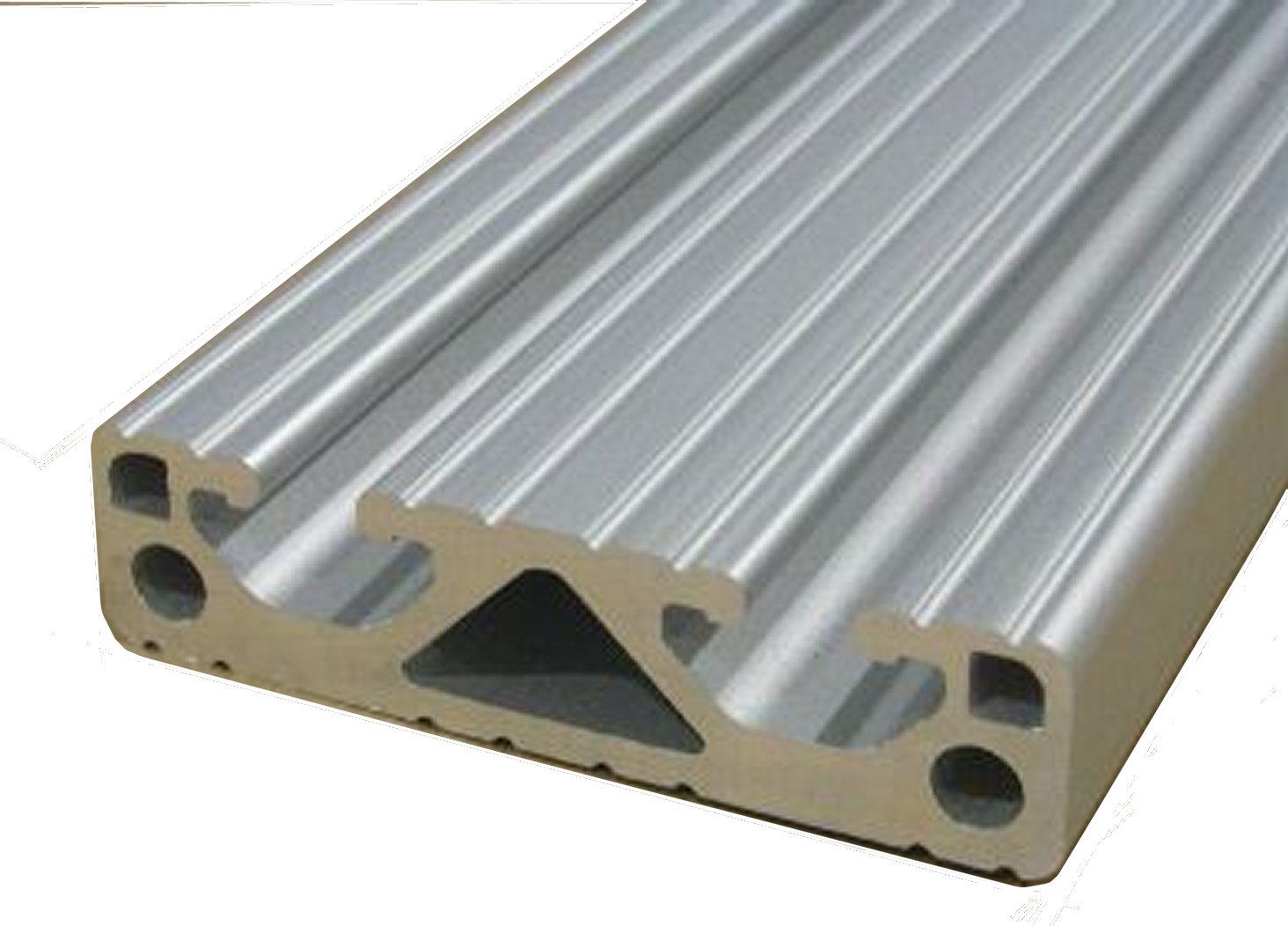

Design flexibility has made modular framing systems a staple in workstations, guarding, automation bases, and custom machinery. Yet the performance of any structure built from extruded aluminum T slot profiles depends heavily on selecting the right size from the beginning. Careful evaluation of profile dimensions ensures strength, efficiency, and long-term reliability in projects that rely on T slot aluminum extrusion systems.
Correct Profile Size Prevents Frame Deflection Under Load
Profile size directly affects how much a frame bends under weight. A smaller T slot extrusion may appear sturdy at first glance, but under continuous load it can deflect more than expected. Even slight bending can disrupt equipment alignment or reduce structural stability.
Deflection becomes more noticeable as spans increase. Larger cross-sections resist bending because they distribute stress across more material. Engineers working with MiniTec extruded aluminum framing often review load charts and span tables to determine which profile will maintain rigidity without excessive flex. Selecting the correct size prevents sagging that might compromise performance over time.
Larger Sections Handle Higher Moment Forces
Moment forces occur when loads act at a distance from a support point. These forces generate bending stress that smaller profiles may not handle effectively. A deeper or wider T slot aluminum extrusion increases resistance to those forces by expanding the section modulus.
Strength grows significantly with even modest increases in profile depth. Designers using MiniTec Aluminum Framing evaluate not only vertical loads but also twisting and off-center forces. Larger sections create a stronger backbone for applications involving heavy tooling, mounted motors, or extended cantilever arms.
Slot Width Determines Compatible Fasteners and Brackets
The slot dimension within a T slot extrusion controls which hardware components can be used. Different slot widths accommodate specific nuts, bolts, and brackets. Choosing a profile without considering slot compatibility can limit assembly options later.
Fastener strength also ties into slot size. Wider slots often support heavier connection hardware. MiniTec extruded aluminum framing systems include a range of compatible accessories, but proper selection depends on understanding which slot dimensions match required load ratings and assembly configurations.
Wall Thickness Affects Long Term Structural Stability
Wall thickness influences durability and resistance to fatigue. Thin walls may reduce weight, but they can deform under repeated stress. A thicker-walled T slot aluminum extrusion offers greater resistance to cracking and localized deformation. Repeated vibration and dynamic loading test structural integrity over time. Heavier wall sections better absorb those stresses. Designers evaluating MiniTec Aluminum Framing often consider the operating environment, especially in automated systems where movement and vibration are constant factors.
Smaller Profiles Reduce Weight in Light Duty Builds
Not every structure demands maximum strength. For light-duty frames, workstations, or guards, smaller extruded aluminum T slot profiles provide sufficient support while keeping weight manageable. Reduced mass simplifies transport and installation.
Lower weight can also improve energy efficiency in mobile or adjustable systems. Selecting a compact T slot extrusion avoids unnecessary material costs. Matching profile size to application keeps builds efficient without sacrificing safety.
Section Choice Impacts Overall Frame Footprint
Profile dimensions influence the visual and spatial presence of a structure. Larger profiles increase frame footprint, which may not suit compact layouts. Evaluating space constraints helps determine the appropriate cross-section.
Compact frames benefit from smaller profiles that maintain clearances around equipment. MiniTec extruded aluminum framing offers options that balance strength and size. Designers must weigh physical constraints against load requirements when choosing a section.
Proper Sizing Supports Accurate Alignment of Components
Precision alignment depends on rigid framing. If profiles flex or twist under load, mounted components may shift out of alignment. This can affect machine accuracy or safety systems.
Stiffer T slot aluminum extrusion profiles maintain straightness across long spans. That stability supports repeatable performance in automation setups. Engineers working with MiniTec Aluminum Framing systems consider deflection limits to ensure consistent alignment of mounted devices.
Profile Depth Influences Mounting Surface Strength
Mounting heavy equipment requires strong attachment surfaces. Deeper profiles provide greater surface area for bracket engagement and distribute force more evenly. This reduces localized stress around connection points.
Adequate depth prevents fasteners from pulling through under load. Evaluating mounting requirements early ensures the selected extruded aluminum T slot profile can handle both static and dynamic forces without distortion.
Matching Size to Load Avoids Overbuilt Structures
Oversizing may seem safer, but it increases cost and weight unnecessarily. Excess material can complicate assembly and transport. Matching profile size precisely to load requirements ensures efficiency. Balanced design relies on accurate load analysis. MiniTec extruded aluminum framing systems include detailed engineering data to guide selection. Choosing the correct T slot extrusion keeps structures strong without being overbuilt.
Support from Minitec Solutions includes engineering assistance, load analysis guidance, and access to a wide range of MiniTec Aluminum Framing options tailored to specific applications. Their team helps identify the appropriate extruded aluminum T slot profiles based on structural needs and performance expectations. Through technical expertise and adaptable framing solutions, Minitec Solutions enables efficient, durable builds that meet precise design goals.